Paint Protection Film (PPF) is one of the best ways to protect your vehicle’s original paint from rock chips, road debris, bug splatter, and everyday wear. However, installing PPF is only the first step. Knowing how to wash and maintain it properly is just as important if you want to keep your vehicle looking clean and protected for years.
If your car has paint protection film, you don’t need an expensive collection of cleaning products or a complicated maintenance routine. You simply need the right washing techniques, gentle products, and a little consistency.
Here is how to safely wash a vehicle with PPF without damaging its surface or edges.
1. Wait Before Washing Newly Installed PPF
If your vehicle has recently received paint protection film, don’t rush to wash it.
PPF needs time to settle and bond properly to the vehicle’s painted surfaces. Washing too early, especially with high-pressure water, can interfere with the installation and potentially cause film edges to lift.
The recommended waiting period varies depending on the film manufacturer and product. For example, XPEL recommends waiting 48 hours for certain films and 72 hours for its COLOR PPF. Always follow the specific aftercare instructions provided by your installer.
During this period, avoid unnecessary contact with the film and don’t try to push out small installation bubbles yourself.
2. Use the Right Car Washing Products
Not every car cleaning product is suitable for paint protection film. Harsh chemicals and abrasive cleaning materials can affect the film’s finish over time.
For regular PPF maintenance, keep your washing supplies simple:
- pH-neutral automotive shampoo designed for vehicle finishes.
- A clean, soft microfiber wash mitt.
- Two buckets, one for shampoo and one for rinsing.
- Plush microfiber drying towels.
- A gentle rinse of clean water.
Avoid household detergents, aggressive degreasers, abrasive compounds, and rough brushes. If you have matte or satin PPF, make sure your cleaning products are specifically suitable for that finish.
3. Follow the Correct Hand-Washing Method
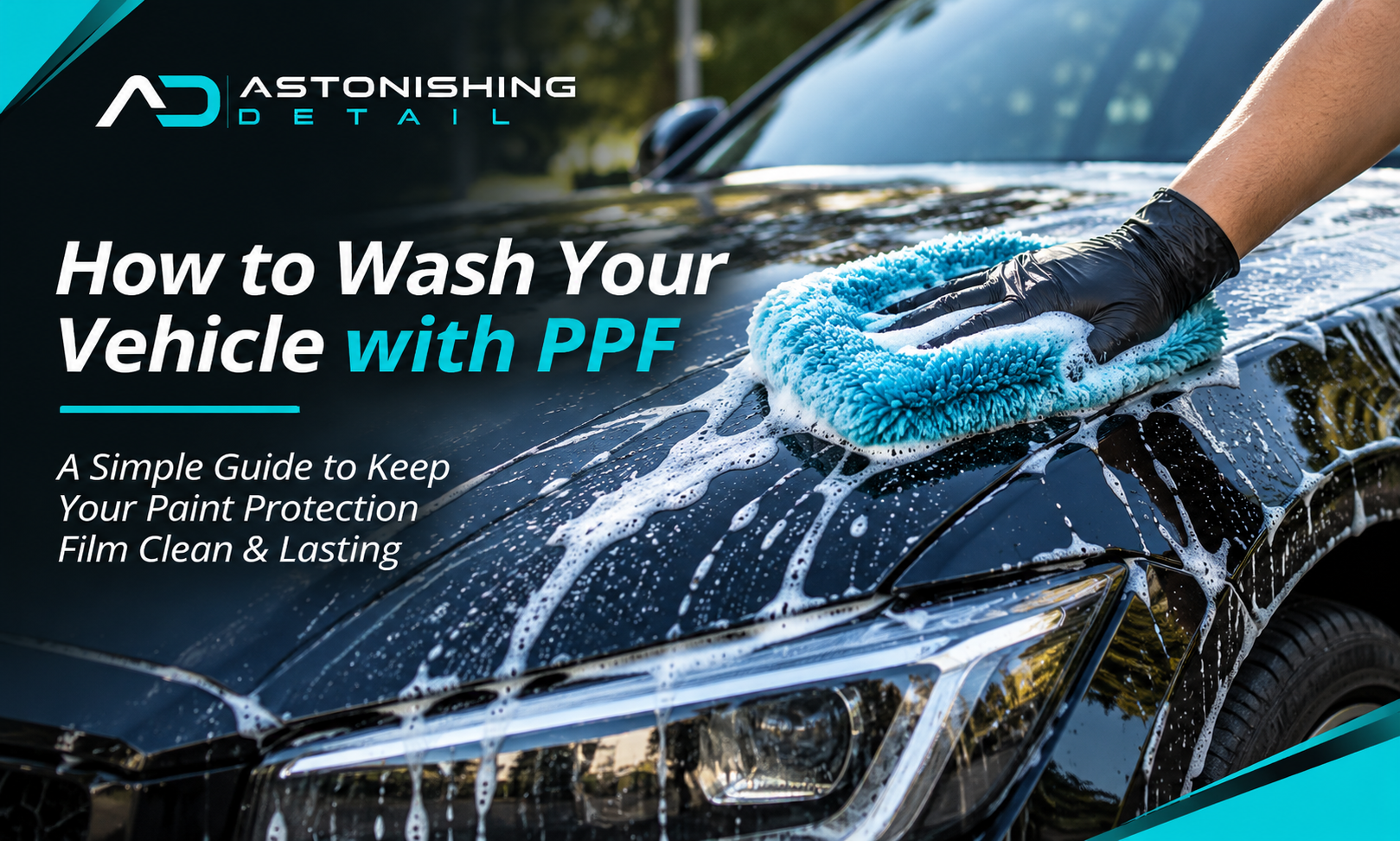
Hand washing is one of the safest ways to clean a vehicle with PPF because it gives you control over the pressure and contact applied to the surface.
Follow these steps:
Step 1: Rinse Away Loose Dirt
Start by rinsing the entire vehicle with clean water. This removes loose dust, sand, and road grime before you touch the film.
Never wipe a dusty vehicle with a dry cloth. Small particles can create scratches when dragged across the surface.
Step 2: Wash from Top to Bottom
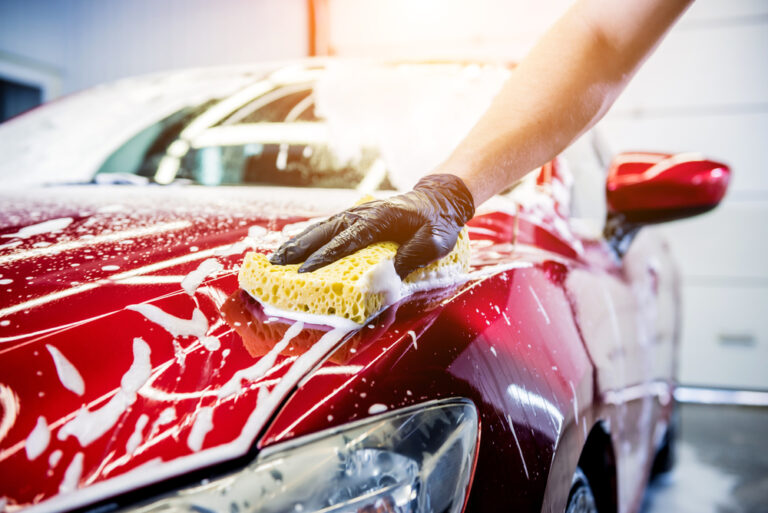
Apply your pH-neutral car shampoo using a clean microfiber wash mitt. Begin with the roof, windows, hood, and upper body panels before moving toward the lower doors, bumpers, and rocker panels.
These lower areas usually collect more dirt, so cleaning them last helps prevent unnecessary contamination of your wash mitt.
Step 3: Rinse the Vehicle Thoroughly
After washing each section, rinse away the soap and loosened dirt. Don’t allow shampoo to dry on the film, especially when washing outdoors.
Step 4: Dry with Clean Microfiber Towels
Use a soft, clean microfiber drying towel or an appropriate vehicle-safe air blower.
Avoid aggressive rubbing. Gently dry the surface to reduce water spots and keep the film looking clear.
4. Be Careful When Using a Pressure Washer
A pressure washer can help remove loose dirt, but using it incorrectly can damage PPF.
High-pressure water directed at the edges or seams may force its way underneath the film, causing lifting or peeling.
If you use a pressure washer:
- Use a suitable, controlled pressure setting.
- Maintain a safe distance from the vehicle.
- Never point the nozzle directly at film edges.
- Avoid spraying underneath lifted or damaged sections.
- Follow the pressure limits specified by your film manufacturer.
When in doubt, use a regular garden hose or have a professional detailer handle the wash.
5. Avoid Automatic Brush Car Washes
Automatic car washes with rotating brushes are not recommended for vehicles protected with PPF.
The brushes can collect dirt and debris from previous vehicles and drag those particles across your film. Over time, this can create surface marks and reduce the appearance of the finish.
A careful hand wash is generally the better choice. Touchless washes may be an alternative, but check the cleaning chemicals and your film manufacturer’s recommendations before using them.
6. Remove Bird Droppings, Bugs, and Tree Sap Quickly
Environmental contaminants should never be left sitting on your PPF for extended periods.
Bird droppings, insect remains, tree sap, and road tar can become difficult to remove and may stain the film’s top surface.
When you notice these contaminants:
- Soften the affected area with clean water and an approved PPF-safe cleaner.
- Allow the contamination to loosen.
- Gently wipe it away using a clean microfiber cloth.
- Rinse the area thoroughly.
Never scrape dried contaminants with your fingernails, razor blades, or abrasive pads.
If a stain remains after gentle cleaning, consult your PPF installer rather than experimenting with stronger chemicals.
7. How Often Should You Wash a Car with PPF?
Regular washing prevents dirt and contaminants from building up on the film.
A good starting point is to wash your vehicle every two weeks. However, you may need to wash it more frequently if you drive regularly, park outdoors, or encounter heavy road grime.
Consistency matters more than aggressive cleaning. A gentle maintenance wash is much better than allowing contaminants to accumulate for months.
Frequently Asked Questions About Washing PPF
Can I wash my car normally after installing PPF?
Yes, but wait for the installation’s recommended curing period. Once the film has settled, you can follow a regular, gentle hand-washing routine.
Can I use regular car shampoo on PPF?
Most pH-neutral automotive shampoos are suitable, provided they are compatible with your particular film. Avoid harsh chemicals and abrasive cleaners.
Can I use a pressure washer on paint protection film?
Yes, if your film manufacturer’s instructions allow it and you use controlled pressure at a safe distance. Never direct high-pressure water toward film edges.
Does PPF need special maintenance?
PPF doesn’t require complicated maintenance, but regular washing, prompt contaminant removal, and occasional professional inspections help preserve its appearance.
Can I apply ceramic coating over PPF?
Yes. Compatible ceramic coatings can be applied over paint protection film to improve surface slickness, water behavior, and ease of cleaning. Make sure the coating is suitable for your specific film and finish.
Keep Your PPF Looking Its Best with Astonishing Detail
Paint protection film provides valuable protection against everyday road damage, but proper maintenance helps preserve its appearance and performance.
At Astonishing Detail, we provide professional STEK paint protection film installation for drivers in Henrico, Richmond, and surrounding Virginia communities. Whether you’re considering PPF for a new vehicle or want expert advice on maintaining your existing film, our team can help you choose the right approach.
Contact Astonishing Detail to learn more about professional paint protection and vehicle care.
Protect your paint. Maintain the finish. Enjoy the drive.