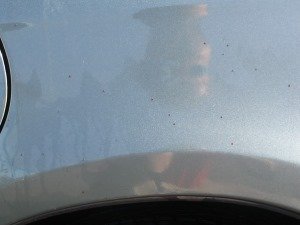
Artillery fungus, also referred to as shotgun fungus (Sphaerobolus stellatus), is a pervasive organism primarily found in the Northeast and Mid-Atlantic regions of the United States. This fungus manifests as small, sticky black or brown spots on various surfaces, including building exteriors, decks, plant life, and automotive paint. These spots, often mistaken for insect droppings or tree sap, are, in fact, the result of scaly spores produced by the fungus.
Growth and Environmental Conditions
The development of artillery fungus is closely tied to organic materials, such as decaying wood, wood-based mulch, and animal manure, under specific environmental conditions. The ideal temperature range for spore proliferation is between 50 and 68°F, occurring most frequently during the spring and fall seasons.
Spore Dispersal and Adhesion
Artillery fungus spores are contained within small, cup-like structures. Upon exposure to bright light, these cups rupture, releasing the spores. The spores are carried by a highly adhesive liquid substance, exhibiting adhesive properties comparable to industrial adhesives such as Super Glue. This sticky secretion allows the spores to adhere to various surfaces, with the potential for launch distances of up to 20 feet.
Since the fungus is light-sensitive, it is particularly likely to impact reflective surfaces, such as white or silver-painted vehicles.
Impact on Automotive Surfaces
Although artillery fungus is not classified as corrosive or allergenic, its presence on automotive surfaces is a major concern due to the cosmetic damage it causes. The fungus’s adhesive properties make the spores difficult to remove, and prolonged surface contact increases their resistance to removal efforts. Once adhered, even if the dark spots are physically removed, persistent brown staining often remains.
If not addressed promptly, these spores can survive for up to 12 years, potentially reinfecting the ground and nearby surfaces.
Challenges in Removal
Traditional methods for removing artillery fungus, such as abrasive chemical cleaners or mechanical scrubbing, can cause significant paint damage, including scratches and clear coat removal. While high-pressure washing is sometimes used by detailing professionals, this practice can further compromise the paint’s integrity by fracturing or removing the clear coat layer.
Recommended Removal Methods
The most effective removal method involves using:
- Hot, soapy water
- Gentle scrubbing with a microfiber towel
Proper disposal of the spores is essential to prevent reinfestation.
Preventive Measures
To minimize the likelihood of recurrence, consider the following precautions:
- Avoid wood-based mulch near buildings, driveways, or vehicles.
- If mulch is necessary, ensure regular aeration and annual replacement.
- Opt for stone materials in landscaping, as they do not harbor the fungus.
Conclusion
Artillery fungus presents a significant challenge to maintaining surface aesthetics, particularly in regions where it is prevalent. Understanding its growth conditions, spore behavior, and appropriate removal methods are essential for mitigating its impact. Preventive landscape management can further reduce the risk of infestation and preserve the integrity of affected surfaces.
Author Bio: Gina Budhai
Gina Budhai is the Managing Partner of Astonishing Detail, a premier auto detailing company specializing in paint protection, ceramic coatings, and surface restoration. With years of experience in the industry, Gina is passionate about preserving vehicle aesthetics and educating car owners on best practices for paint care and maintenance. She is dedicated to delivering high-quality detailing services and innovative solutions to combat surface contaminants like artillery fungus, water spots, and oxidation.